As we approach the end of the calendar year, we find ourselves in a curious time of year when track cycling splits into two very different worlds.
With the track world championships behind us, and the road season complete, Europe is in party mood.
Big crowds gather for ‘six day’ – or three, or four, you know how cycling can be – events in cities like Ghent, London, Geneva and Copenhagen.
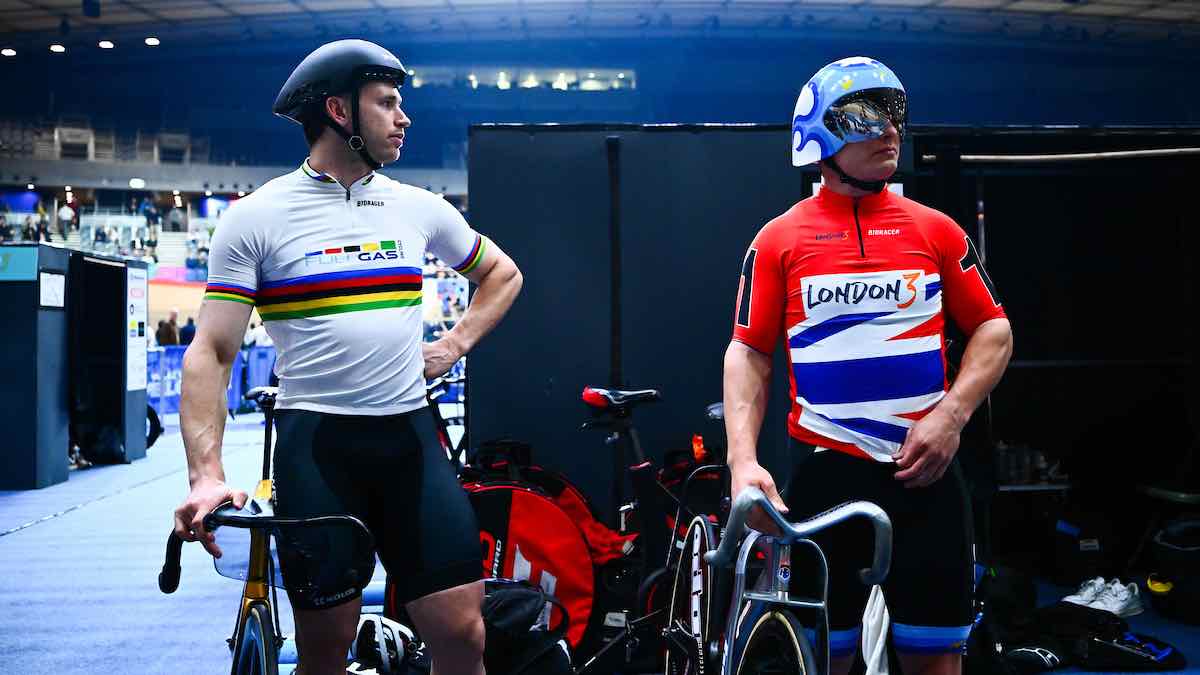
Sprinters fill the gaps between endurance races, with specially arranged challenge events such as the battle at London between Harrie Lavreysen and Matthew Richardson, or invitational keirin competitions.
London even had a sprinters-only elimination race last week… which was as chaotic as you would expect.
Meanwhile, road riders pack their bags for criterium events in Singapore and Saitama, characterised by outcomes which can seem unusual – and a little too perfectly scripted.
Sponsors and spectators pay their money, and expect a show in return.
But travel east, and the mood changes considerably.
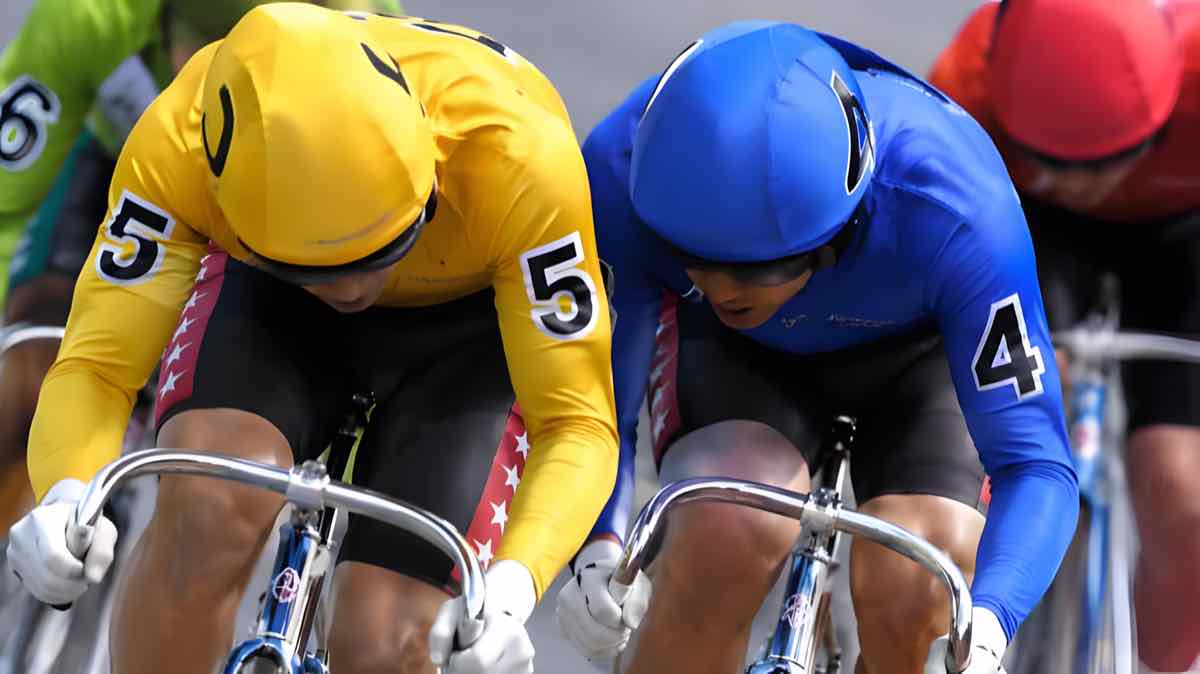
In Japan and Korea, pressure is building towards the biggest dates on the domestic keirin calendar: the Grand Prix events. Here, the stakes are very real – these are the events in which reputations and fortunes are made.
Nearly all the stars of Japanese men’s keirin are at the Asahi Shimbun Cup Keirin Festival, seeking the G1-level win – or a sufficiently high cash prize – which will secure a place in next month’s Keirin Grand Prix, with its million-dollar jackpot.
Some have more personal goals, like Yusaku Kosho who can finally complete his Keirin Grand Slam: the Keirin Festival is the only G1 title he has never won. Victory this week will make him only the second rider (after Yuta Wakimoto) to complete the set of six G1 events, plus a Keirin Grand Prix.
In the women’s competition, Mina Sato won all four G1 events last year – and can do it again, if she can claim a third successive Keirin Festival victory at Kokura.
Meanwhile, Korean keirin is already looking ahead to its Grand Prix, a few days earlier than the Japanese final – and likely to be another showdown between Im Chae-bin and Jeong Jong-jin.
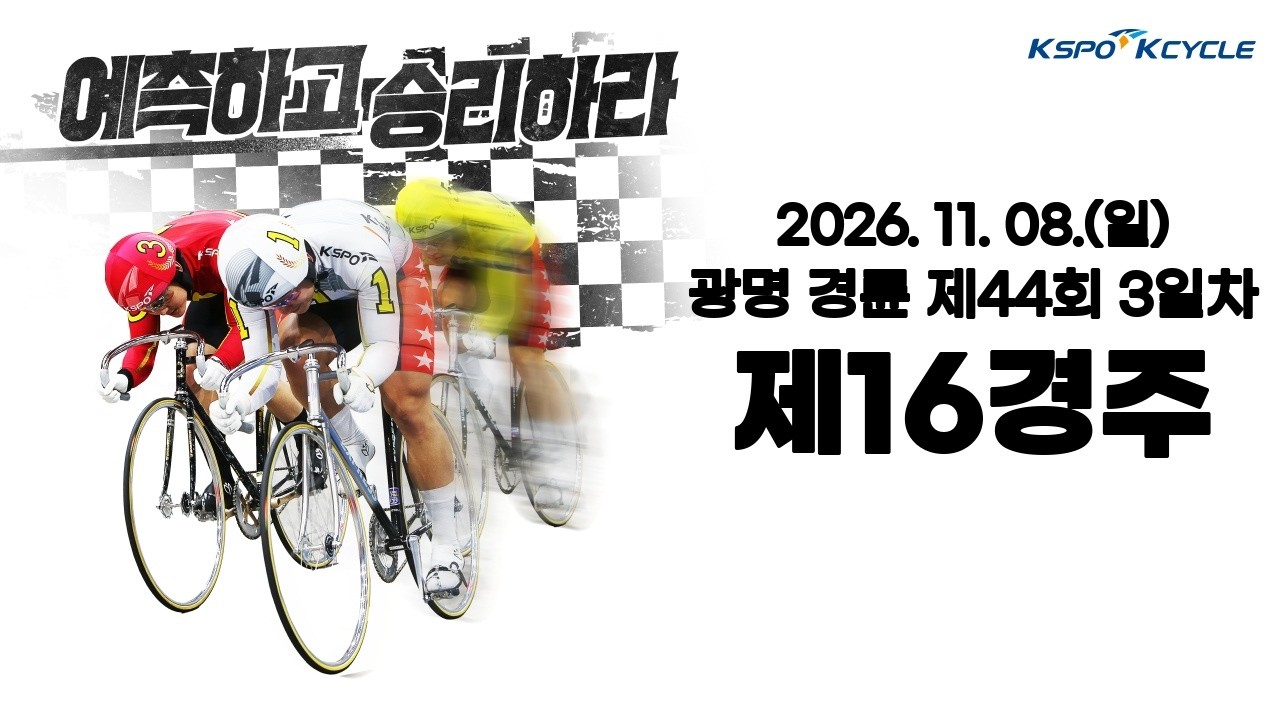
The pair raced twice at Gwangmyeong earlier this month, taking one victory each. Jeong Jong-jin has had the upper hand in 2026, winning 7 of their 9 contests; but Im Chae-bin has won the big one in each of the last two years.
Europe’s six days have histories measured in decades, drawing healthy crowds, earning money for riders and velodromes. They serve a purpose.
But they highlight the lack of a sustainable competitive structure, beyond national, continental or world championships, during the rest of the year.
Perhaps that’s the real distinction. Europe has become very good at making track cycling an occasion. But there’s a different kind of excitement when the racing genuinely matters.
For a few weeks each winter, while much of the cycling world is busy celebrating the end of the season, the real business of keirin is reaching its climax in the East. And for those of us who follow the sport closely, that’s where the most compelling racing is happening.