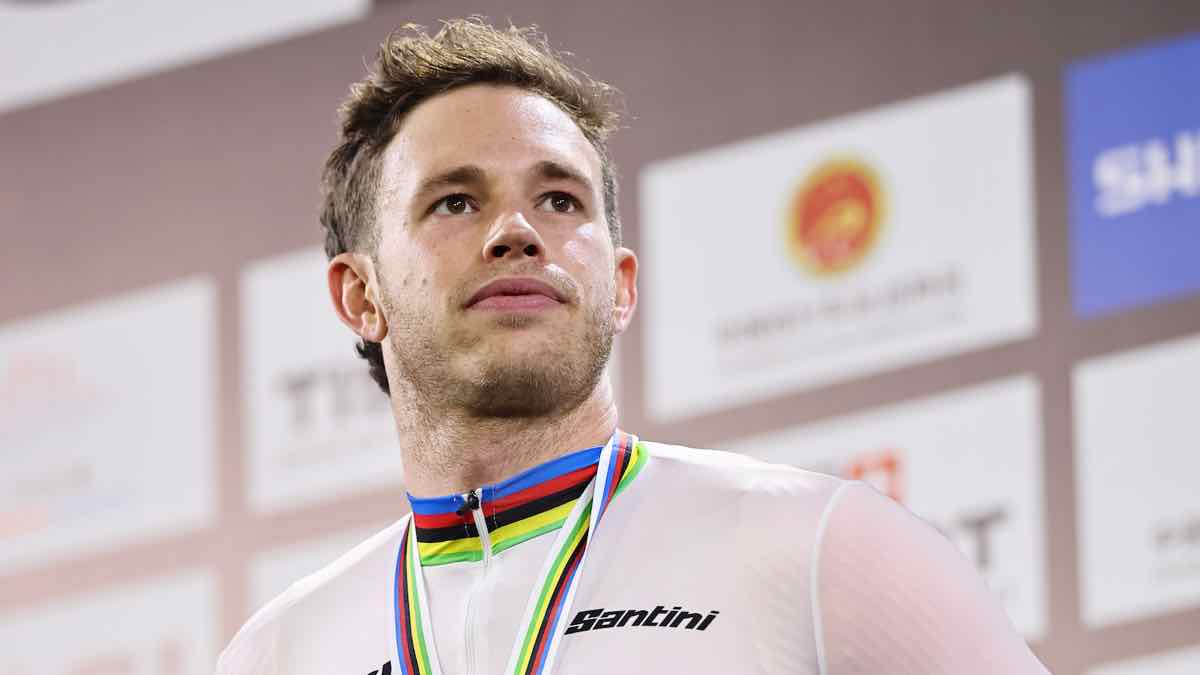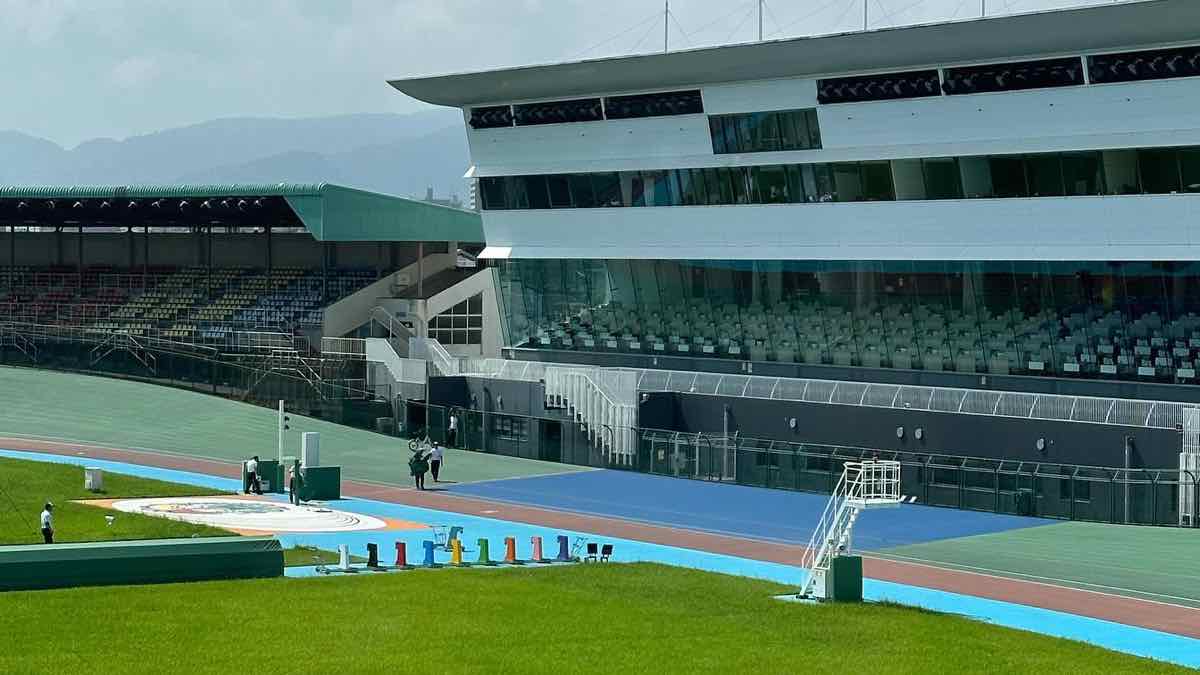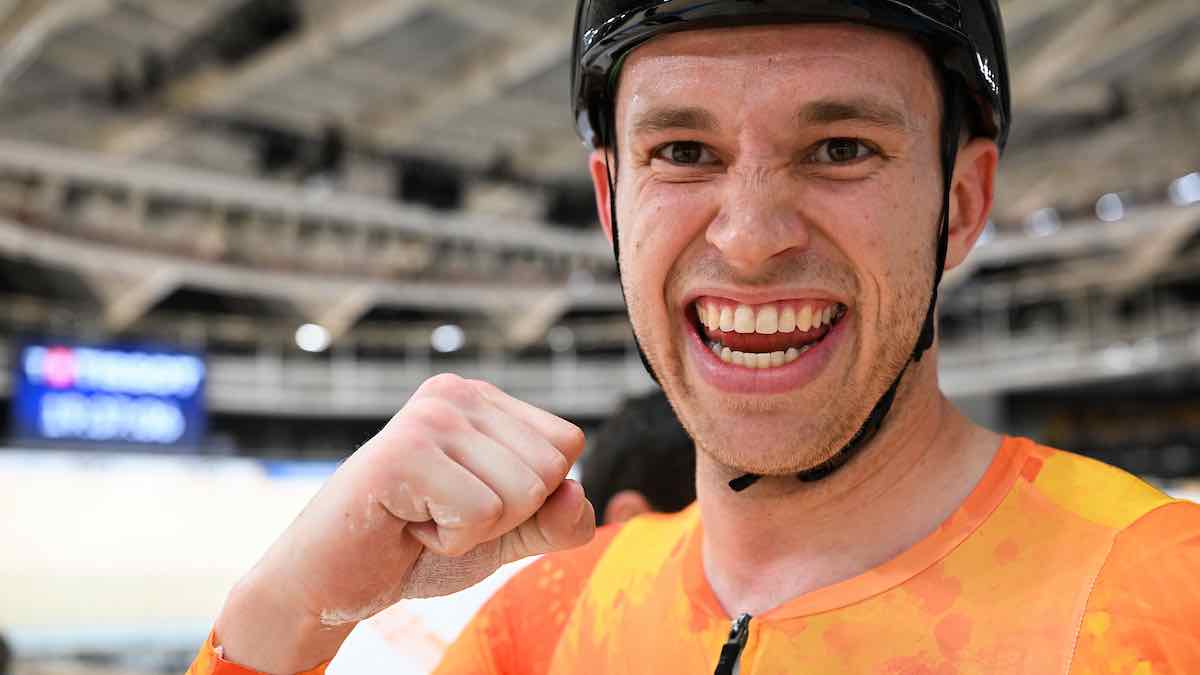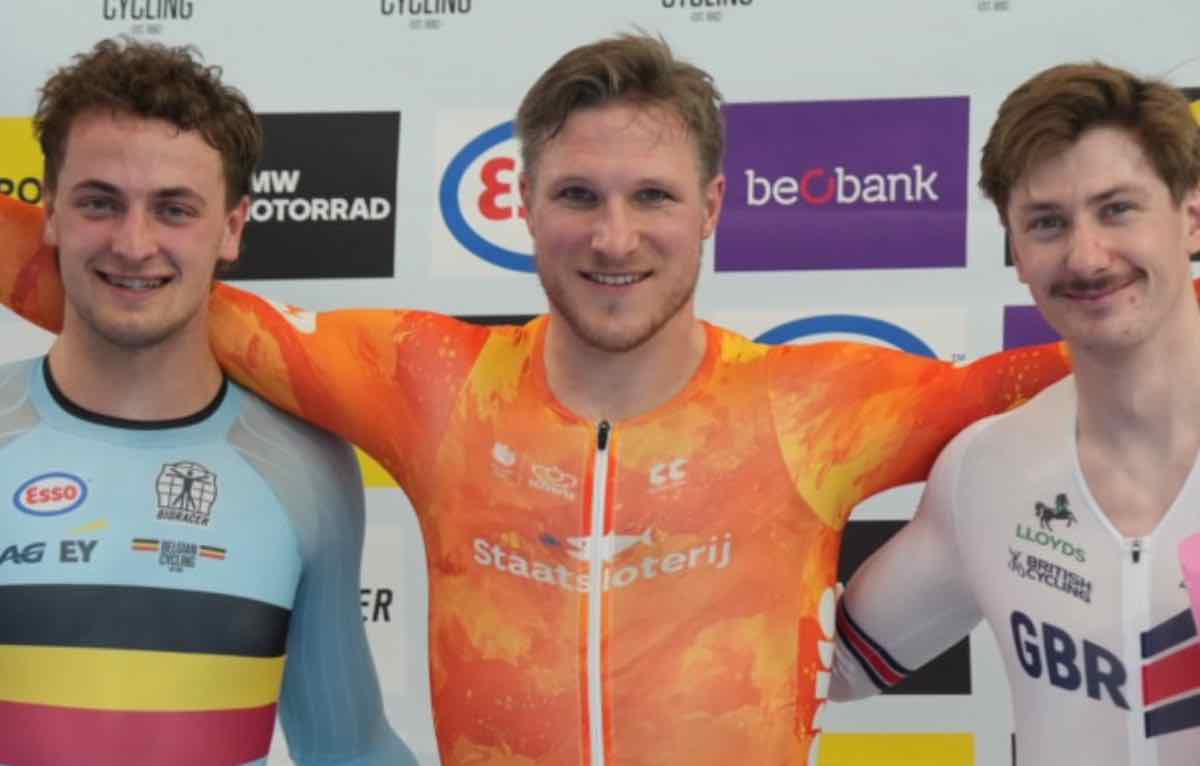
With many of the biggest stars competing on the other side of the world, Jeffrey Hoogland and Lowie Nulens were the standout names at the Gent’s annual International Belgian Track Meeting.
Nulens won the keirin at the same event last year; and looked in good form to retain the title today, winning both races on his way to the final. But the Dutch veteran, third at last year’s world championships, was unbeatable on the day.
Hamish Turnbull completed the podium, the top British performer of a remarkable eight to make the semi-final stages.
Belgian Track International > 2026
Final
| Details | |||
|---|---|---|---|
| Velodrome | Gent | ||
| Date | 19 Apr 2026 | ||
| Belgian Track International 2026 : Final | |||
| Result | |||
| Pos | Nat | Rider | |
| 1 | NED | Jeffrey Hoogland | |
| 2 | BEL | Lowie Nulens | |
| 3 | GBR | Hamish Turnbull | |
| 4 | NED | Duncan Van Norel | |
| 5 | GBR | Oliver Pettifer | |
| 6 | GBR | Lyall Craig | DNF |
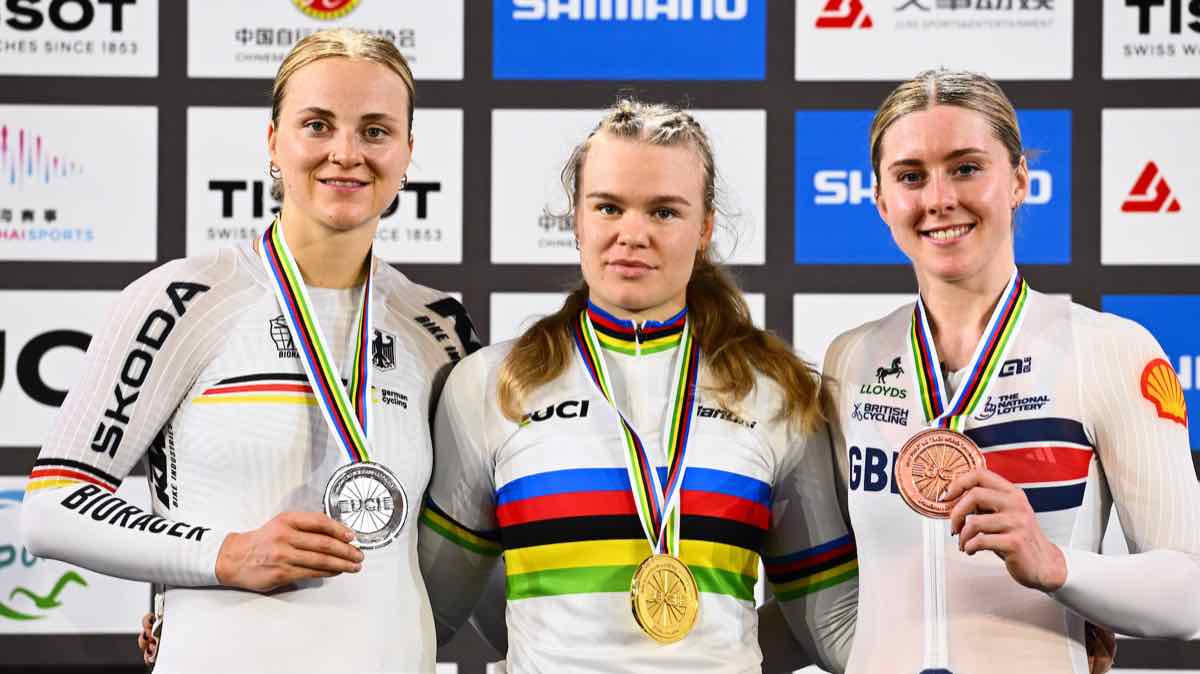
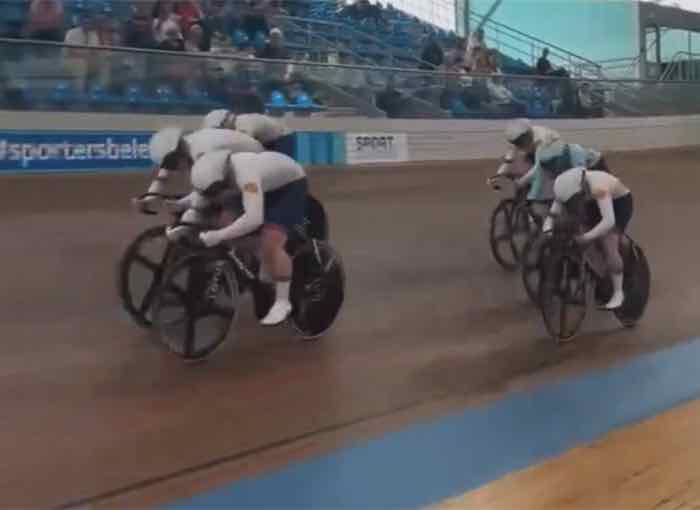
The women’s event was similarly dominated by British riders: the final produced the remarkable sight of one lone rider in the light blue of the host nation, Zita Gheysens lining up against five in white.
The Belgian was completely boxed as they approached the line, with Rhian Edmunds, Sophie Capewell and Iona Moir forming a solid white wall in front of her, and two more Brits either side.
Belgian Track International > 2026
Final
| Details | |||
|---|---|---|---|
| Velodrome | Gent | ||
| Date | 19 Apr 2026 | ||
| Belgian Track International 2026 : Final | |||
| Result | |||
| Pos | Nat | Rider | |
| 1 | GBR | Rhian Edmunds | |
| 2 | GBR | Sophie Capewell | |
| 3 | GBR | Iona Moir | |
| 4 | BEL | Zita Gheysens | |
| 5 | GBR | Lowri Thomas | |
| 6 | GBR | Georgette Rand | |
Great Britain was able to send so many riders because it was an open C1-level event, with no cap on the number of riders participating from any given country.
The Gent result sheet exposes the sheer depth of sprint talent being developed in the velodromes of Manchester, Newport and Glasgow.
But if a country is only able to send a couple of riders per event to major world competitions, and with generational talents like Matthew Richardson (27) and Emma Finucane (23) – the fastest man and woman in history – ahead of them in the pecking order, it poses the question: what incentive is there for ‘second-string’ British riders to enter and stay in the sport, with so little chance of progress?
These GB riders are putting down world-class performances, better than the best riders in most European countries, and who knows – probably better than hundreds of Japanese professionals earning very comfortable livings from the same sport. (We would love to find out.)
But they can’t all reach their full potential, on the biggest stages of all, when there are only so many places available per country.
This is precisely the weakness (or opportunity) which the DerbyWheel initiative promised to address, and which resonated with so many potential DerbyWheel competitors – a high proportion of whom, from our understanding, came from Great Britain.
It’s now more than two years since the last news announcement was posted on the DerbyWheel website – although to be fair, there have been other signs of life since. In the organisation’s last public communication, it said a new launch plan would be published ‘once improvements are completed early (in 2026), and once all stakeholders are aligned’.
DerbyWheel may or may not have been the right answer; time will tell. But they certainly were asking the right question.